
Winemaker Q&A: Brent Marris
Brent Marris: Chasing the peak of perfectionFrom planting the first vines in Marlborough to setting international benchmarks, Brent Marris remains enamoured with Sauvignon Blanc.
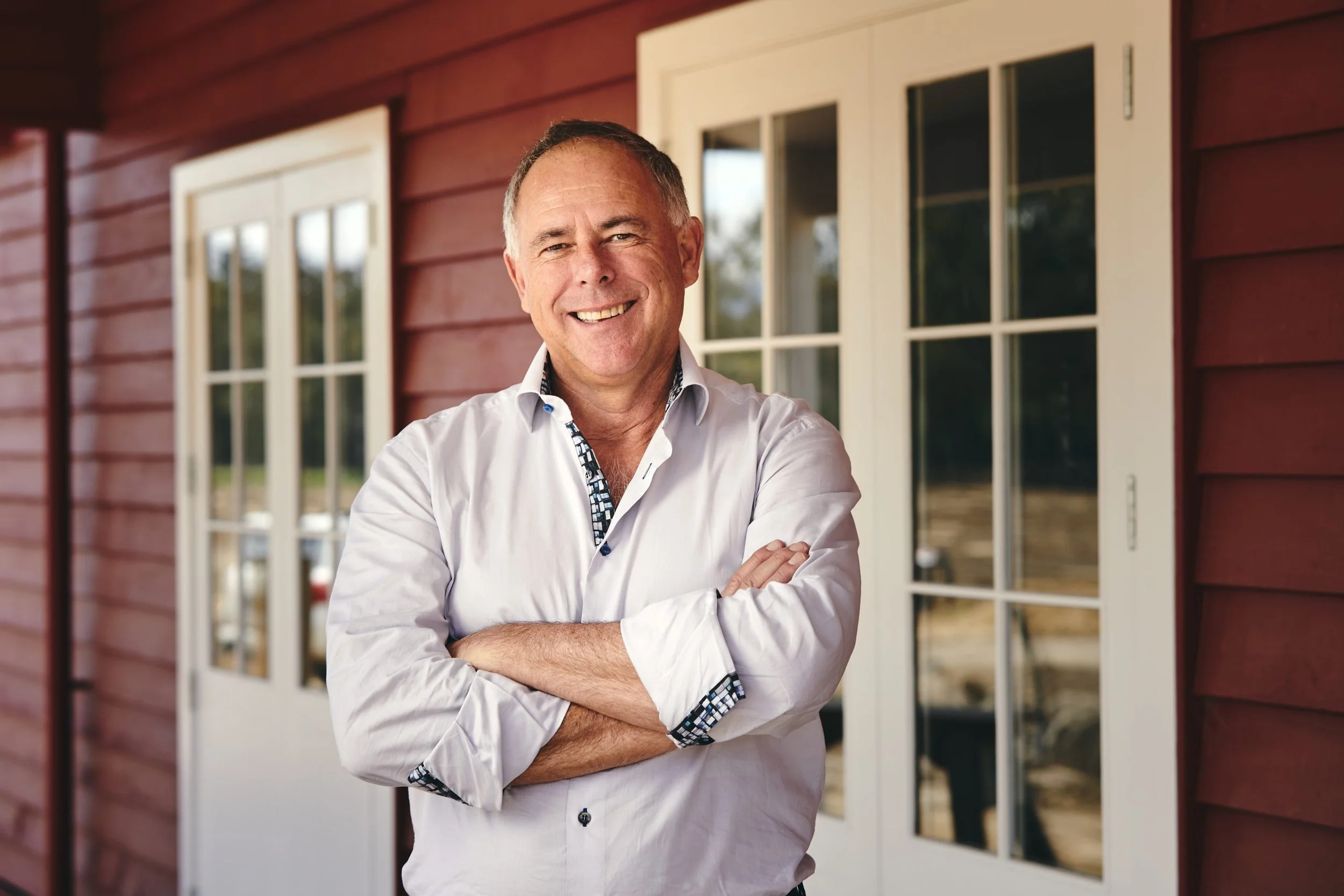
Your family has quite a storied history in Marlborough. My father was a stock and real estate agent in Marlborough, so he was involved with sheep and cattle right back in the early days. In 1973, he was approached by Montana Wines to purchase the land for the first commercial vineyards in Marlborough. In 1978 we became one of the first contract growers in Marlborough. I was 11 years old – the eldest of six children, three sisters, two brothers under six. When you're a young child working hard like that, it's quite an interesting dynamic, my dad saying, “Just think of yourself as pioneers.” But I tell you what, looking back on it, that was some of the best experiences all of us really had. And then, as the oldest, often you want to be like your dad, so I ended up going to get a degree in winemaking, viticulture and the business of wine in Adelaide, Australia.
Any particular anecdotes from back then you can share? I had 14 years as winemaker, including producing Oyster Bay, and then started our own company, Wither Hills. 1994 was the christening of our eldest daughter, Emma, and we had about 100 friends and families invited to our home. To see the intensity of the wine that I made, that first vintage, was immense, it was incredible, was crazy, almost feverish. When I showed the wines at the christening, which was the launch, to see that reaction was a once-in-a-lifetime moment.
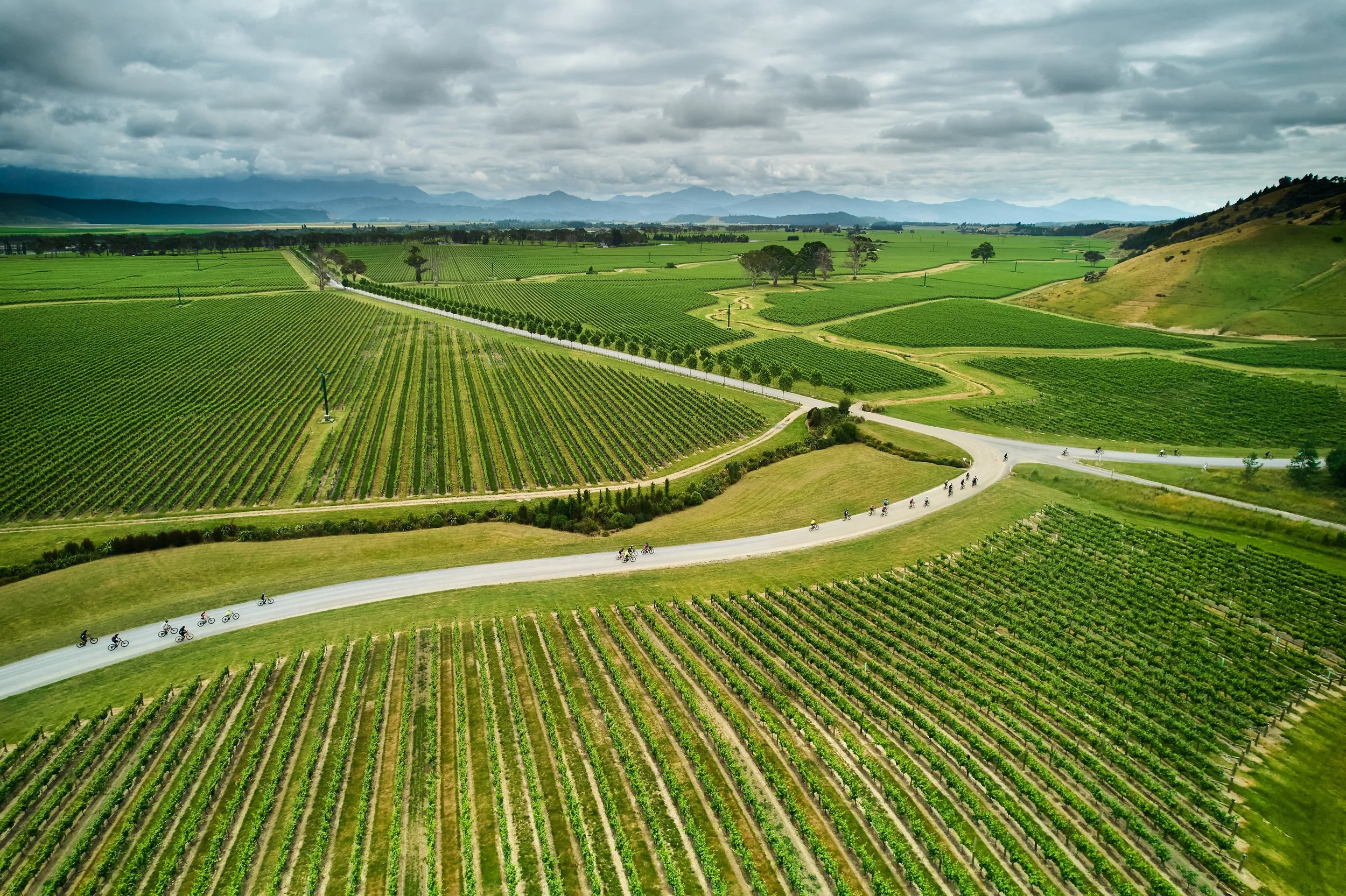
How do you bring out the unique characteristics of each of your vineyards? About 20 years ago we bought into the Waihopai Valley. Soil type and subregional character can influence not just Sauvignon Blanc but other varieties as well, so we dug over 100 soil pits to see what the soil types were below the topsoil. We matched different clones to the different soil types, and then planted out the 600-odd hectares. It was a chance to then grow Sauvignon Blanc in different conditions, and that's how we've captured what we've got today as The Ned or Leefield Station, and my daughter Emma has her own brand, “Emma Marris”.
Often we get characters that are sometimes described as like a salty margarita. We get lovely amounts of texture coming through. It’s all about making sure we're not overcropping, we are harvesting when the fruit is at optimum ripeness, making sure we've got lovely resolved acidity, and really offering the consumer something that's going to put a smile on their face.
What have you passed on to the next generation? One is that creating a multi-generational company where it's not only our family that is working within the business, but also long-term staff, is really important. And the other is blending – always the most exciting time for a winemaker's career. What I talk to my winemaking team about, and what I talk to my children about, is we've got to give ourselves options. The blending becomes like climbing the mountain, and you're waiting until you get to the top, and the top is about perfection for that particular harvest.
You were named White Winemaker of the Year at 2025's International Wine Challenge. Tell us about that. It is a team effort. Each year throws up its own challenges, and we have to navigate that as a team. And so it's wonderful to be recognised by an international panel of judges for our team, and Winemaker of the Year is probably the biggest award that I've achieved in my career, and it's something I'm super proud of.
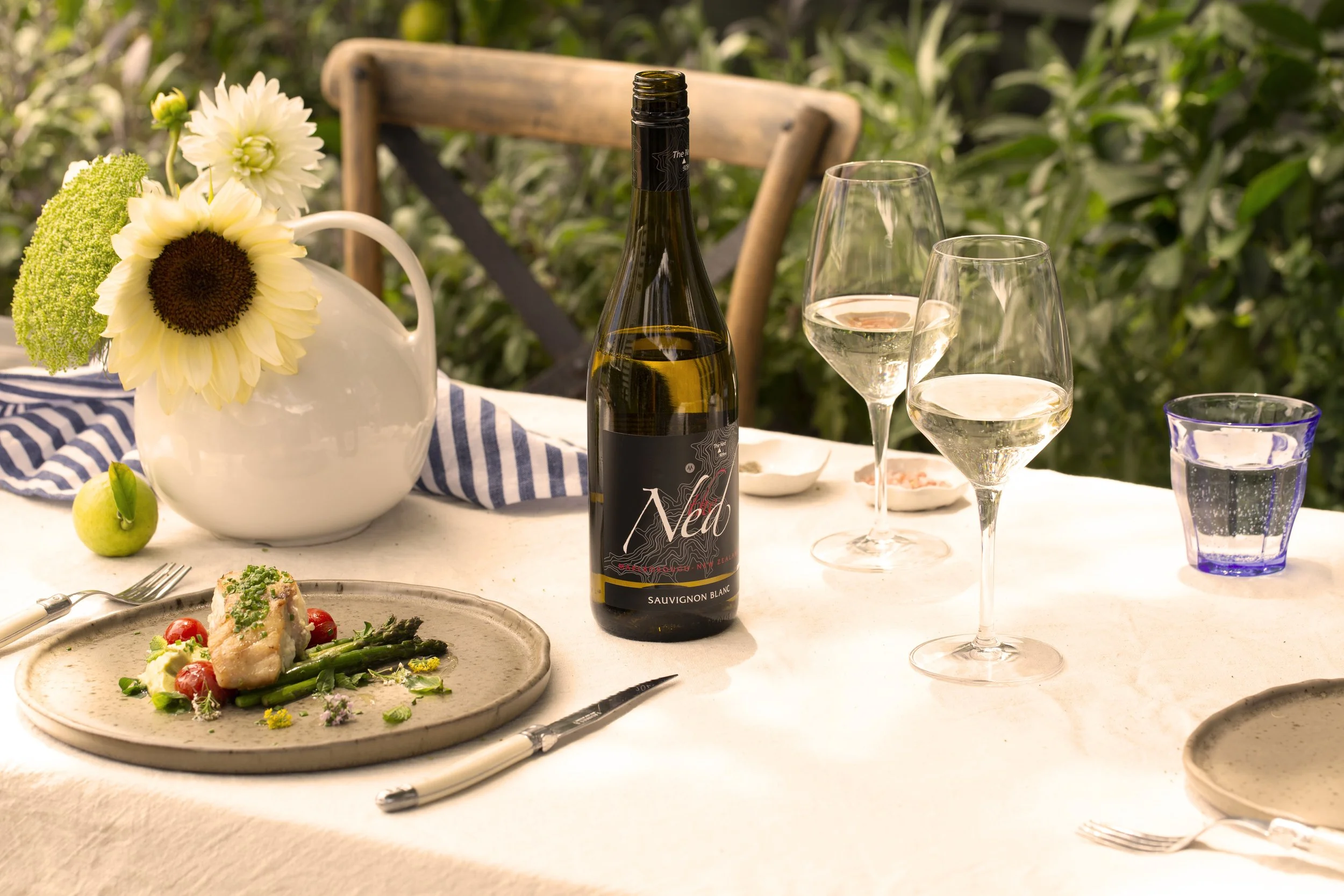
What is the one thing everyone should know about Marlborough Sauvignon Blanc? Marlborough Sauvignon Blanc is really celebrated for its bright acidity, its aromatic intensity, its refreshing character. There's a vast difference between all the Marlborough subregions, from the different soil types to the coastal or the mountain influences.
What do you hope people experience when they drink your wines? Understanding the versatility of the variety. When I talk about Marlborough Sauvignon Blanc, I talk about blue sky, about green grass, cold water, that purity, that cleanliness, that freshness, that vibrancy. As soon as you start talking like that at dinners, or with buyers, and especially when they get a chance to walk across the property or be in the winery itself, and smell the new harvest, smell the aromas that come from the ferment, that’s when the penny drops and people just fall in love with it.