
Winemaker Q&A: Mike Eaton
Mike Eaton is looking ahead to the next-gen of winemakers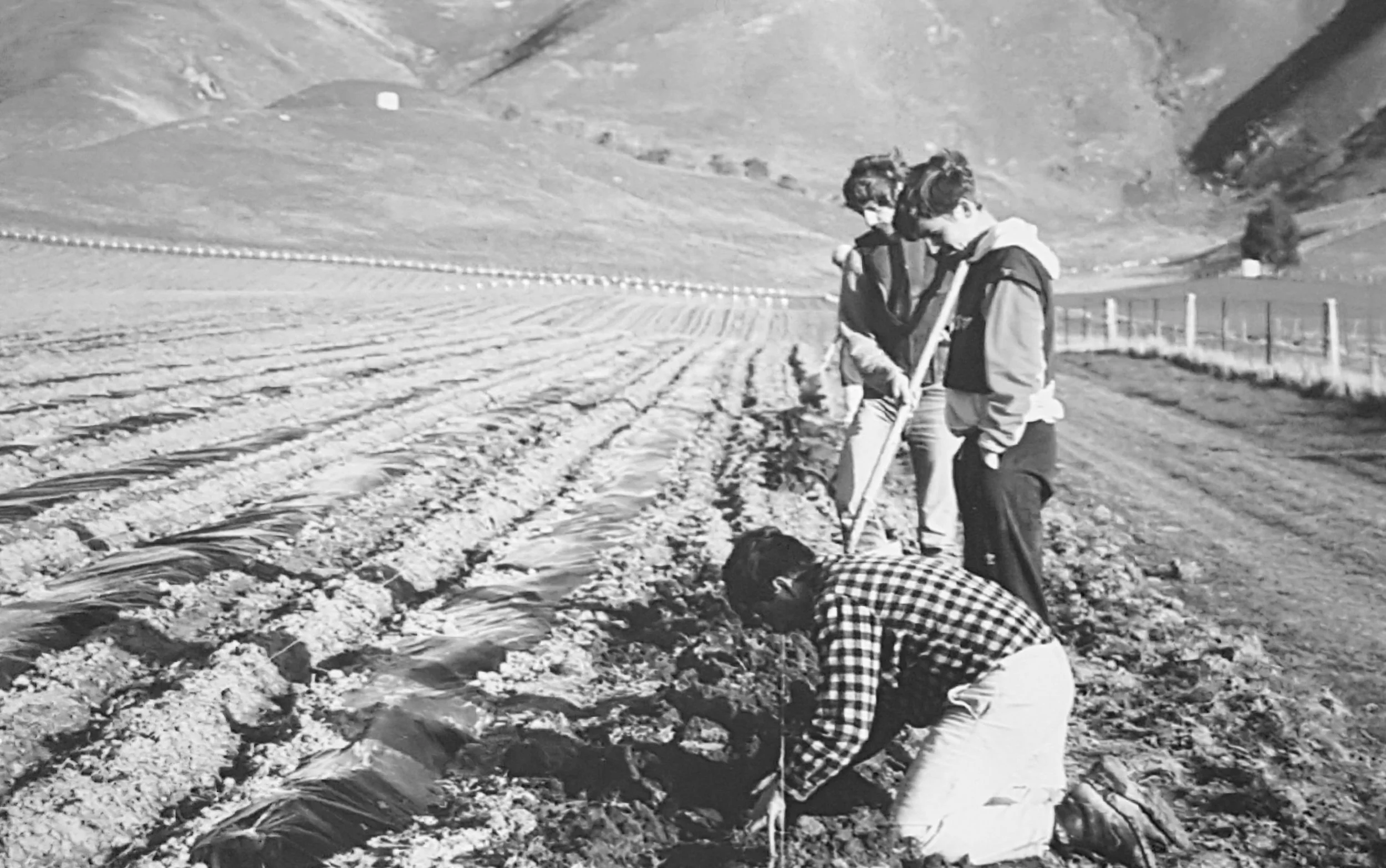
Mike, Hatsch and Jeremy planting first vines at Clayvin in August 1992. Courtesy of Eaton Wines.
How long have you been making wine? I've been in the industry since ‘81 and I've been making or doing wine since the early 2000s. When I came back from France, I could see the potential for the hillside plantings we had here. And so I came back with a desire to plant something and grow Pinot Noir. That vision became the Clayvin Vineyard, and even though we sold that in ‘98 to Fromm, I still feel like my feet are planted at the front gate. The desire to make engaging wines from special hillside vineyards has never gone away.
My wife became an unwitting volunteer of many years of work on the vineyard. At Clayvin, we lived in a garage for the first five years. I was doing something that people thought we were crazy for doing. Jo was blindly unaware of how crazy people thought I was!
What do you hope people experience when they drink your wines? I want them to get to the end of a bottle of wine and go, “Wow, where did this come from and how was it made?” You want to engage people on layers. Wine has the ability to translate place and time, and the challenge is making wines that reflect that message. It's great that we have a regional style, but it would also be nice to acknowledge that there are lots of layers underneath that that can also engage people. It is encouraging to see bands investing in more complex versions of Marlborough Sauvignon Blanc.
What is the one thing everyone should know about Marlborough Sauvignon Blanc? Marlborough Sauvignon Blanc ages amazingly. And yet how many people do you know who say, “Oh, I've got a five-year-old Sauvignon Blanc, you should try.” There's no other white wine that we grow that will age as gracefully as well-made Marlborough Sauvignon Blanc. When yields are low, fruit is ripe and balanced; instead of going into green peas and old vegetables, they develop these lovely floral and delicate citrus notes. I was actually with a buyer in Phuket two weeks ago, and he had a 2013 Sauvignon Blanc from Marlborough up on the shelf, and he says, "Ah, we should probably just get rid of that," and I'm going, "Really?" They opened this wine that was headed for the bin, but instead they ended up getting a lot of enjoyment out an aged Marlborough Sauvignon Blanc. That would be lovely to see at the Sauvignon Blanc celebration next year – a celebration of some of our more complex aged Sauvignon Blanc.
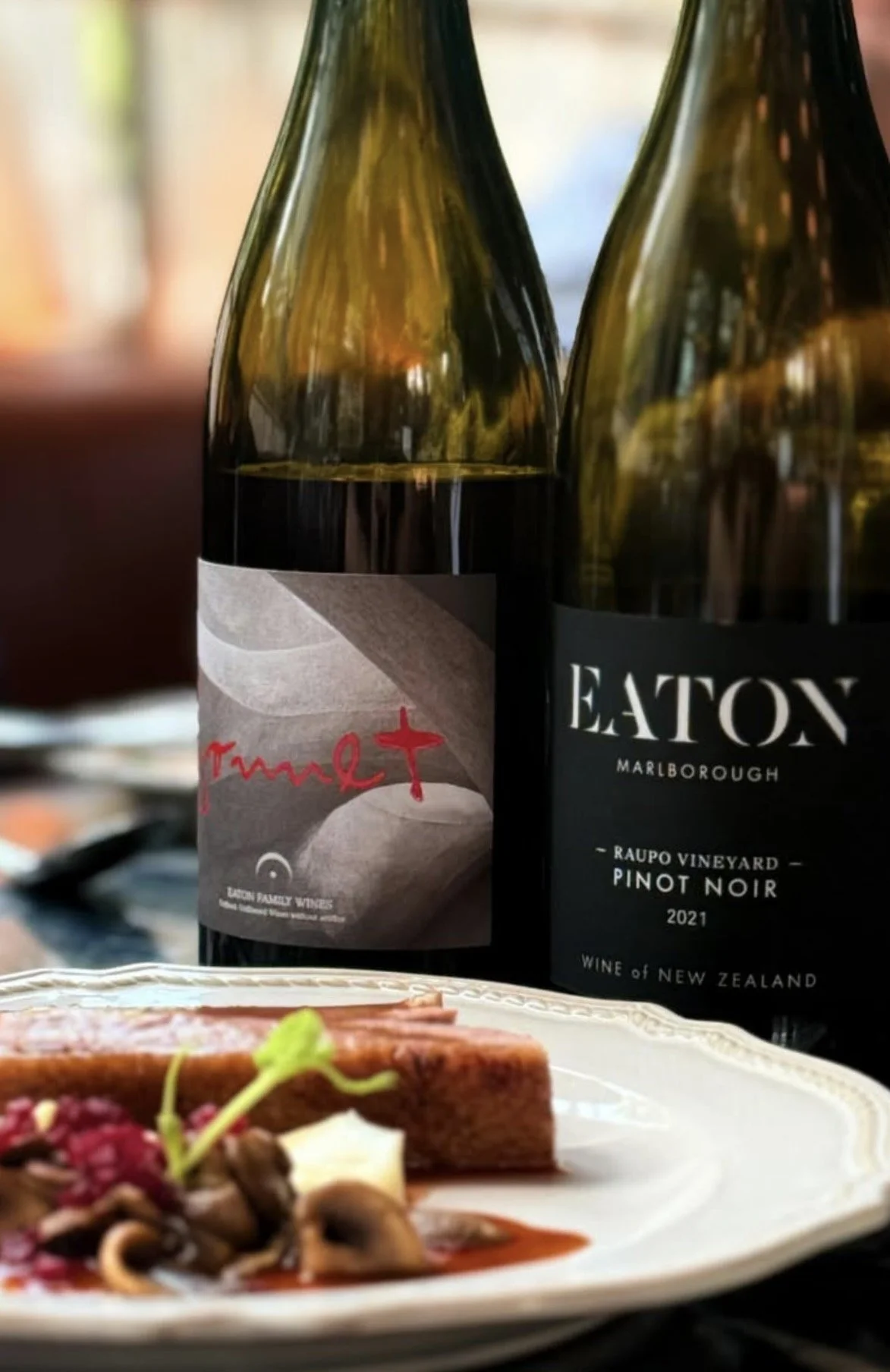
How do you see the future of winemaking in Marlborough? Diversity. My son, Harrison, he's in that generation of people who are a bit disenchanted with conventional wines. Importantly, that young generation wants to know what's in the wine, what has been added to the wine, what was done to it in the vineyard. What Harrison has done is he's evaluated each wine on its own. They're small volumes, but when people taste them, they go, “I've never tasted something like that before.”
You also have the brands like Jordan Hogg at Atípico, Rock Ferry, Marathon Downs, Siren Wine with Ashleigh Barrowman, A Thousand Gods Wines and Ben Glover at Zephyr wines (and others) pushing boundaries and adding to the diversity of the region.
These wines are not going to re-write the international perception of Marlborough Sauvignon Blanc, but they all add to the colour and diverse fabric of Marlborough as a region.
Has his experimentation worked? A lot of the things Harrison does now, I would have cringed 10 years ago. We're tasting wines from four years ago when he wanted to do different things to them, and I'm finding myself going, “OK, the young son actually outsells me 10 to one – seriously! – because people just are really interested in different styles of wine.” So I'm tending to tip my hat a little bit more and embrace the diversity.
What excites you most about the future of Marlborough Sauvignon Blanc? I think it's a mistake to presume that all people are after the same thing. Some of the most sought-after wines in the world are made because they are distinctive. I think we can do more to demonstrate individual winemaker personality and sites. Celebrate diversity. I feel the beginning of this process is better defining and protecting Marlborough’s sub-regions.
Learn more about what makes Sauvignon Blanc Unmistakably Marlborough.